Smartwatches as Personal Medical Allies: The Future of Health Tech
Wearable devices are transforming health monitoring into a continuous process. Smartwatches track heart rate, blood oxygen levels, and sleep quality, helping users better understand their bodies and make informed wellness decisions.
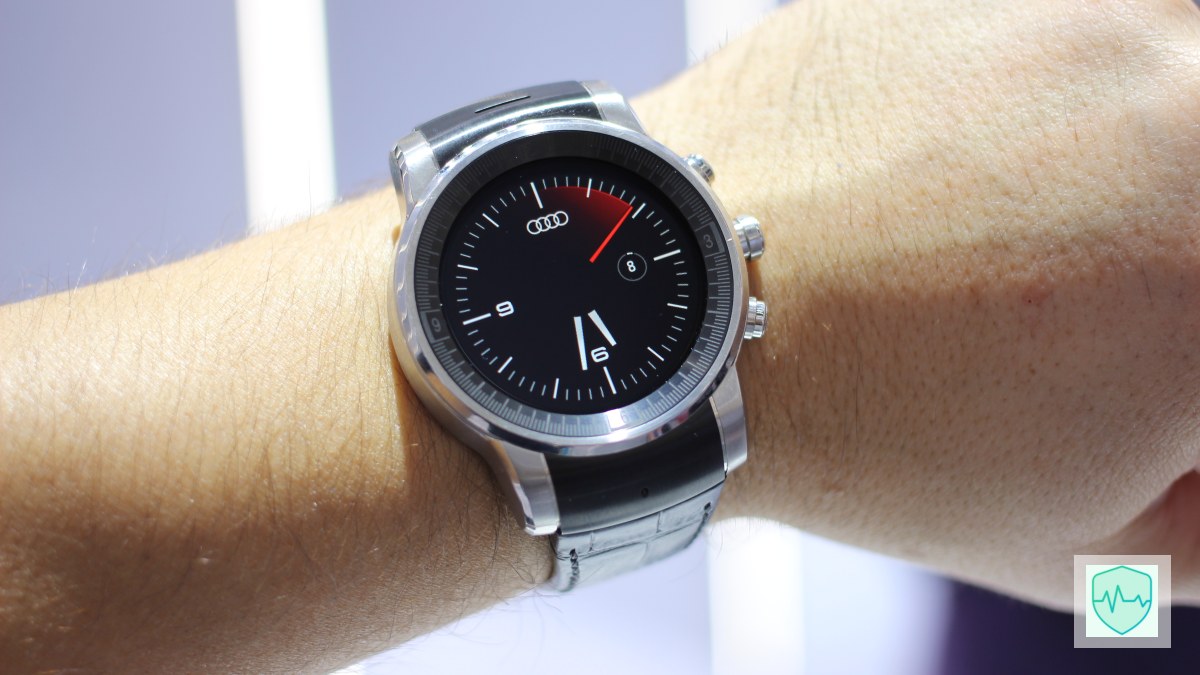
The era of personalized medicine has begun on your wrist. Modern smartwatches collect real-time body data, creating a detailed health picture previously unavailable outside clinical settings.
What Do Smartwatches Track?
- Heart rate and variability — indicators of stress and recovery
- Blood oxygen levels — a key marker of breathing and circulation
- Sleep quality — phase analysis and restoration guidance
- Physical activity — energy expenditure and workout types
- Skin temperature — early signal of body changes
These metrics reveal patterns invisible to the naked eye. You notice how stress affects sleep, how activity boosts mood, how overwork impacts heart rate. Personal health literacy grows through continuous observation, not occasional checkups.
Practical Applications
Preventive monitoring detects anomalies before they become medical issues. Regular measurements establish your personal baseline, making deviations immediately visible. This is especially valuable for people managing chronic conditions or at-risk health profiles.App integration lets you sync data, share insights with healthcare providers, and receive personalized recommendations. Smartwatches become a bridge between self-awareness and professional medicine.
The Future of Wearable Health
Technology evolves rapidly: glucose sensors, blood pressure monitors, and on-wrist electrocardiography are emerging. AI learns to predict risks weeks before clinical symptoms appear. This isn't a doctor replacement—it's their informed ally.Source: Google News (global search)