Social Isolation Accelerates Aging: How Loneliness Erodes Healthspan
Large-scale research reveals that chronic loneliness and social isolation can cost up to 6 years of healthy life, with significant mental health impacts differing by sex.
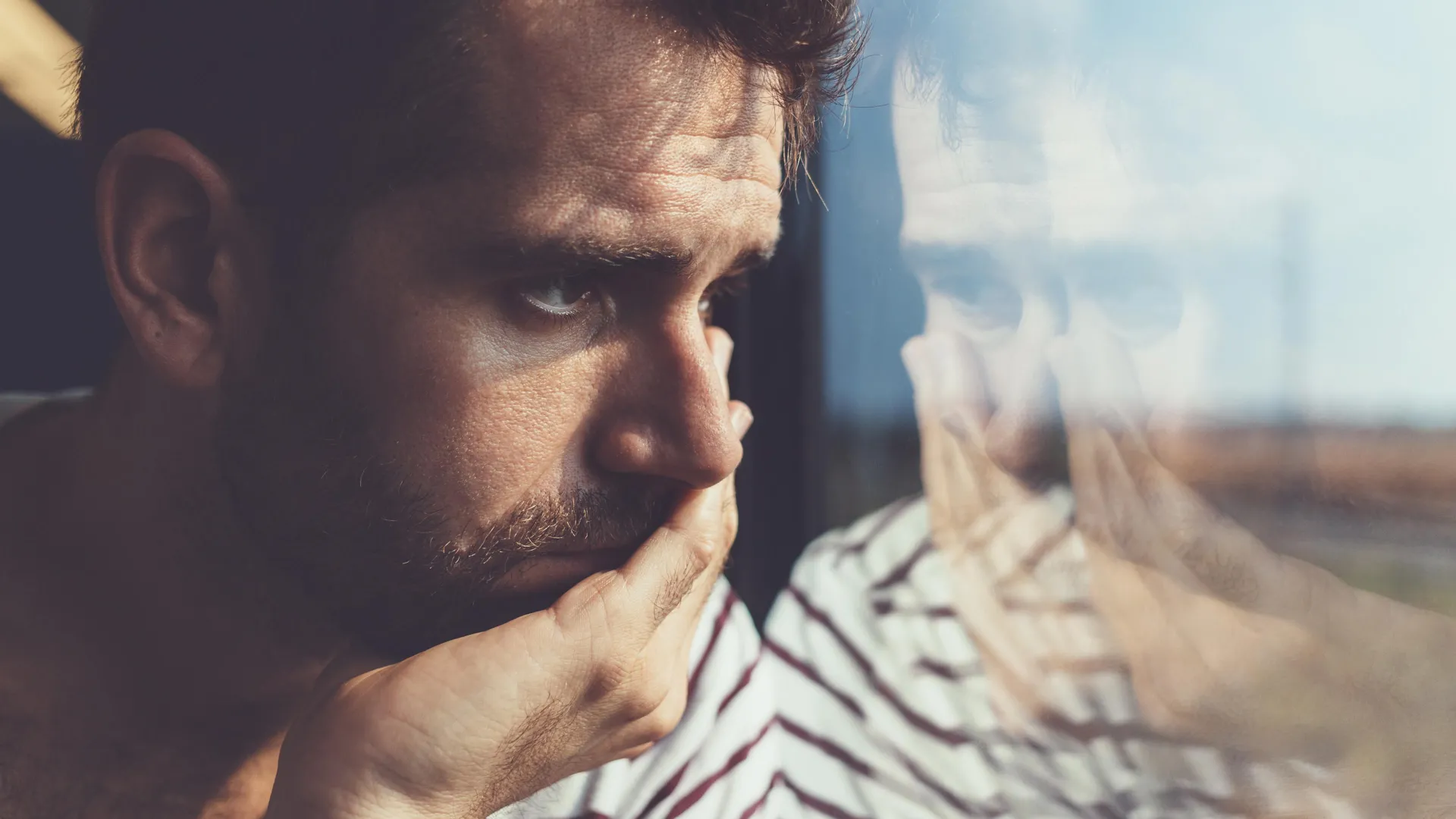
The Loneliness–Aging Connection
Emerging longevity research increasingly documents that social isolation is a measurable risk factor for premature aging and loss of healthspan—the years lived in good physical and mental condition. A large epidemiological study found that loneliness correlates with substantial reductions in depression- and anxiety-free years, suggesting chronic social disconnection acts as a biological stressor.
Men experiencing both loneliness and isolation lost approximately 5.8 years free from mood disorders, while women lost roughly 3.7 years. These sex-specific differences hint at different physiological pathways: chronic stress from isolation may trigger sustained HRV dysregulation, sleep fragmentation, and immune dysfunction—all measurable via wearables and linked to accelerated aging.
Why Wearables Matter Here
Heart rate variability (HRV) and sleep tracking can serve as early warning signals. Isolated individuals often show reduced HRV—a marker of sympathetic overload and poor vagal tone—and degraded sleep architecture. By monitoring these metrics, Velthia users can recognize when social disconnection is driving physiological stress and take corrective action before mental health decline accelerates biological aging.
Actionable Takeaway
Healthspan is not only diet and exercise. Loneliness is a modifiable risk factor. Users tracking HRV, sleep quality, and mood should view social engagement as a longevity intervention. When metrics show stress elevation, consider it a signal to prioritize meaningful connection—a foundational pillar of sustained health.
Source: ScienceDaily Health