Regrowing Cartilage: A New Approach to Joint Health
Researchers discovered a method to restore damaged cartilage by inhibiting a protein that increases with age. This breakthrough could prevent osteoarthritis and delay the need for joint replacement surgery.
Understanding Age-Related Joint Decline
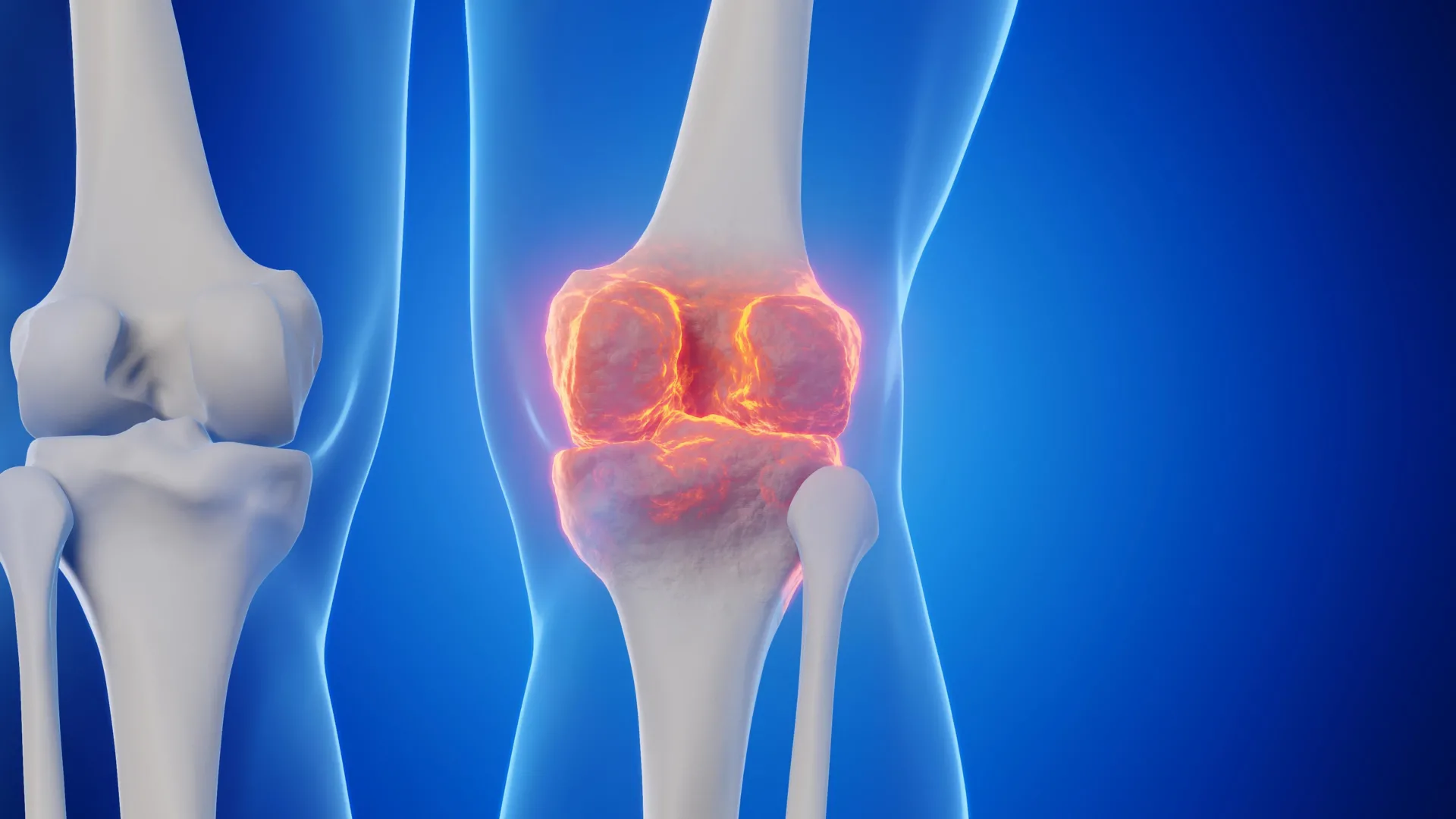
As we age, our joints undergo significant changes. Cartilage—the smooth tissue covering bone surfaces—gradually degenerates, leading to stiffness, pain, and reduced mobility. This process accelerates after injuries like ACL tears, often resulting in osteoarthritis. Scientists have long sought interventions to slow or reverse this natural decline.
The Protein Behind Joint Aging
Recent research has identified a specific protein that becomes increasingly abundant with age and plays a role in cartilage breakdown. By selectively blocking this protein, researchers demonstrated that aging joints could regenerate cartilage tissue. In preclinical studies using aged mice, the intervention successfully restored lost cartilage and protected joints from post-injury degeneration.
Human Cartilage Responds Positively
Perhaps most encouraging, when human cartilage cells from knee replacement patients were exposed to the same protein inhibitor in laboratory conditions, they began producing new, functional cartilage tissue. This suggests the approach may translate to human therapy, not just in treating existing damage but potentially preventing osteoarthritis development.
What This Means for Joint Longevity
While this research remains in early stages, it represents a paradigm shift in thinking about joint health. Rather than accepting cartilage loss as inevitable, scientists are exploring ways to support the body's natural regenerative capacity. The findings underscore the importance of understanding aging biology as a pathway to maintaining mobility and quality of life.
Source: ScienceDaily Health