Psychedelics and Longevity: Emerging Research on Aging and Cellular Health
Recent scientific inquiry suggests psychedelic compounds may offer unexpected benefits for healthy aging. Emerging research from institutions like Drug Science explores how these substances might influence neuroplasticity, inflammation, and cellular resilience—mechanisms directly relevant to longevity optimization.
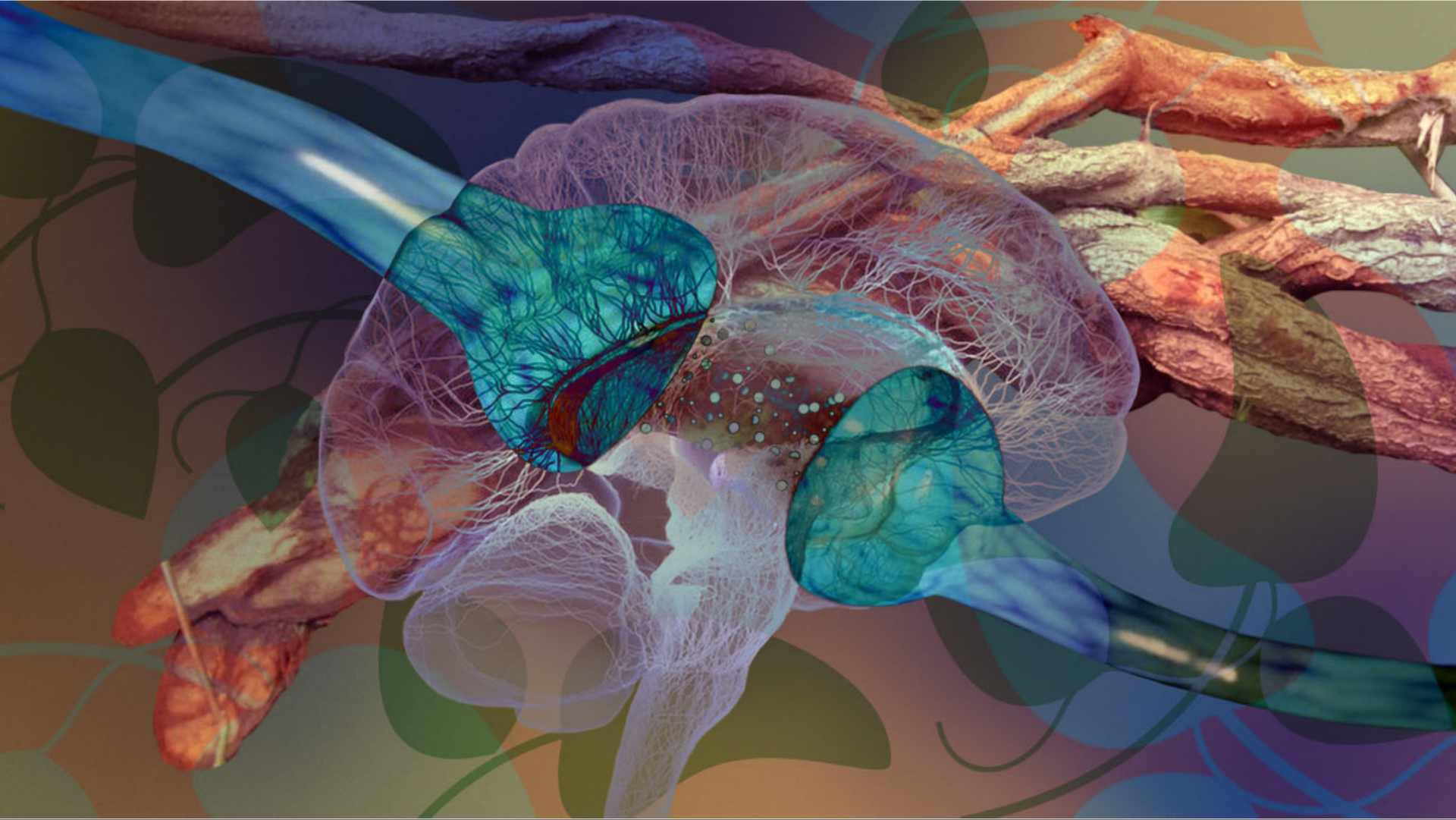
The intersection of psychopharmacology and gerontology has long remained unexplored territory in mainstream longevity science. However, a growing body of rigorous research is beginning to reveal how psychedelic compounds—traditionally studied for psychiatric applications—may play a role in biological aging processes. Drug Science and other research institutions have started investigating whether substances like psilocybin, LSD, and DMT could influence the fundamental mechanisms that determine how we age at the cellular and systemic levels.
The aging process involves interconnected biological pathways: chronic inflammation, mitochondrial dysfunction, cellular senescence, and cognitive decline. Psychedelics appear to interact with multiple systems simultaneously. These compounds act as serotonin receptor agonists and also promote neuroplasticity—the brain's ability to form new neural connections and reorganize existing networks. In aging populations, neuroplasticity naturally declines, contributing to memory loss, reduced cognitive flexibility, and increased risk of neurodegenerative diseases. Preliminary research suggests that psychedelics may reverse this decline by stimulating growth factor production and encouraging the formation of new neurons, a process called neurogenesis.
Beyond neural effects, emerging evidence points to psychedelics' potential anti-inflammatory properties. Chronic systemic inflammation—sometimes called "inflammaging"—is a hallmark of advanced biological age and drives age-related disease. Some preclinical studies indicate that psychedelics may modulate immune responses and reduce inflammatory markers through mechanisms involving the vagus nerve and microglia (immune cells in the brain). Additionally, these compounds appear to enhance mitochondrial function and cellular stress resistance through activation of specific signaling pathways. For wearable users tracking biomarkers like heart rate variability, inflammatory markers, and sleep quality, these mechanisms could theoretically translate into measurable improvements in longevity indicators.
For individuals using longevity-focused wearables and health apps like Velthia, understanding emerging pharmacological tools for aging is important context—not for self-medication, but for informed dialogue with healthcare providers. Wearable devices already track sleep, heart rate variability, and other markers associated with neuroplasticity and systemic inflammation. As psychedelic research advances, the data collected by these devices could become increasingly relevant for monitoring how such interventions (if legally and medically indicated) affect aging biomarkers. The intersection of real-time biometric tracking and psychopharmacology may eventually enable personalized protocols for optimizing longevity at scale.
It is crucial to emphasize that psychedelics remain controlled substances in most jurisdictions, and research into their safety and efficacy for aging is still in early phases. Current evidence is largely preclinical or limited to small clinical trials focused on mental health conditions, not aging per se. Any consideration of psychedelics as longevity interventions must await rigorous human trials, clear regulatory pathways, and professional medical oversight. Additionally, individual responses vary significantly based on genetics, age, health status, and concurrent medications. Readers should not interpret this exploration as medical advice or encouragement to obtain or use these substances outside clinical research settings.
The broader significance of this research lies in its potential to expand the toolkit for healthy aging. Traditional approaches—exercise, nutrition, sleep, stress management—remain foundational and evidence-based. Emerging pharmacological approaches, including psychedelics, represent a complementary frontier. As longevity science matures, wearable technology will continue to serve as a bridge between basic research findings and real-world health optimization, providing the granular data needed to validate whether novel interventions truly extend healthspan and lifespan.
Source: Drug Science