The Brain's Mobile Gene: How Ancient DNA Stayed Alive
BC200 is a unique evolutionary relic that retained the ability to move through the genome. Scientists discovered its role in brain function and unexpectedly found it embedded in poxviruses.
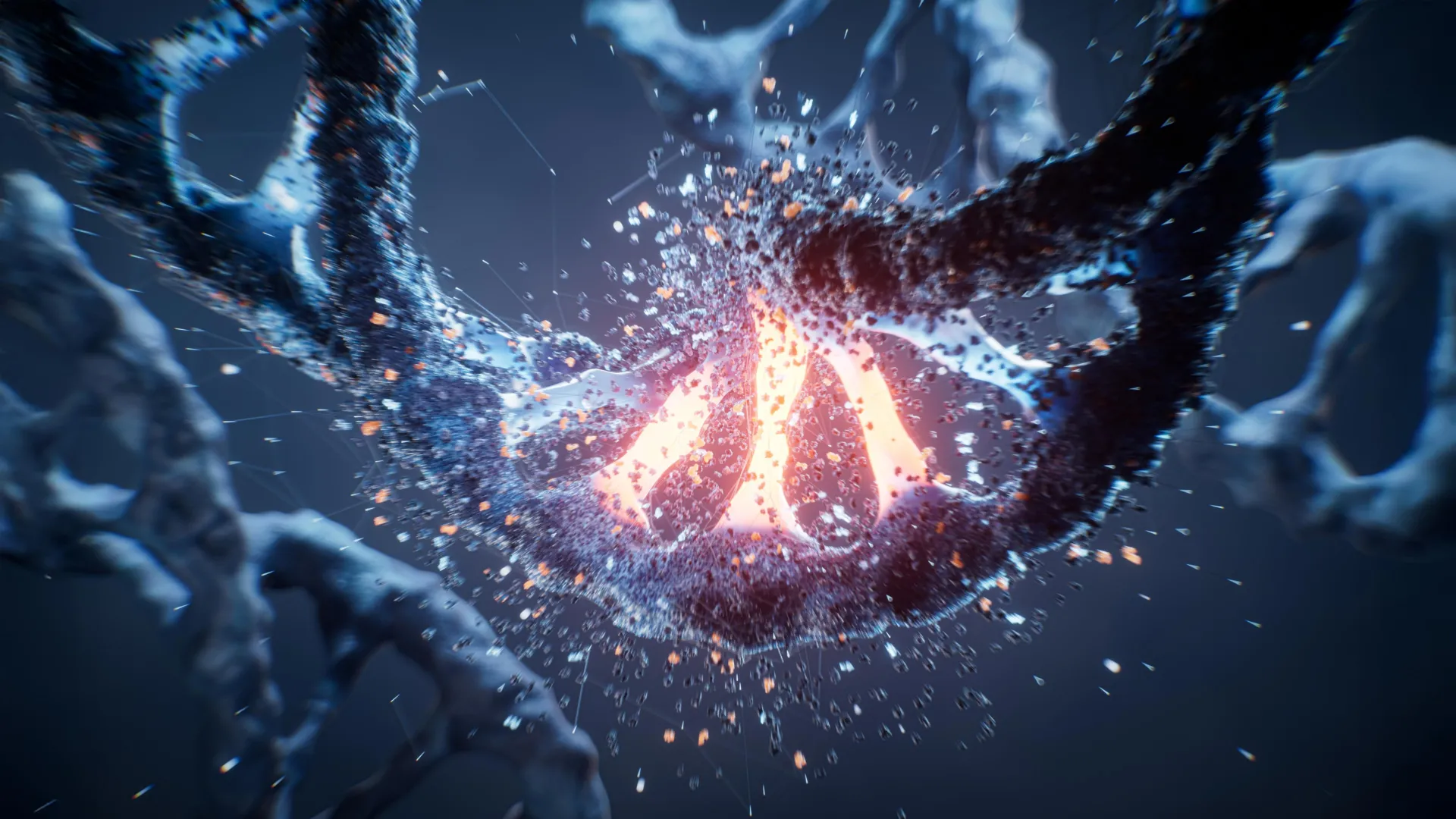
Hidden within your genome lies an evolutionary curiosity: a gene that refuses to stay put. BC200, nestled in human brain cells, belongs to a rare class of genetic elements that can still move—a vestige of our ancient past that most genes abandoned millions of years ago.
From Transposons to Brain Function
Most genes arose from mobile DNA sequences called transposons, which could jump around the genome in early life forms. Over evolutionary time, these sequences either integrated permanently into the genome or were silenced by the cell's defense mechanisms. BC200 did neither. It evolved millions of years ago into a functional gene—one that appears essential for normal brain cell operations—yet retained its original wandering capability.
A Genetic Traveler
What makes BC200 remarkable is its dual nature: it maintains utility while preserving mobility. Unlike its static cousins, this gene can still hop between genomic locations, a feature researchers didn't expect to find in such a specialized brain gene. This flexibility might represent an overlooked mechanism in how our brains maintain plasticity and adaptability—areas central to healthy aging and cognitive resilience.
Unexpected Viral Encounters
Perhaps most intriguingly, scientists discovered BC200 sequences embedded in human poxviruses. This suggests the gene may have leaped from infected skin cells into viral particles—a stunning example of genetic exchange between species. Such discoveries hint at hidden pathways in how our cells communicate with invaders, knowledge that might eventually inform strategies for supporting immune health during aging.
This research opens new questions about genetic mobility in the human body and how evolutionary remnants continue shaping our biology today.
Source: ScienceDaily Health