Ketogenic Diet and Cancer Risk: What MIT Research Reveals
Emerging research reveals that ketogenic diets affect different gut regions distinctly. High fat intake accelerates stem cell division in the small intestine, potentially elevating cancer risk in specific tissues.
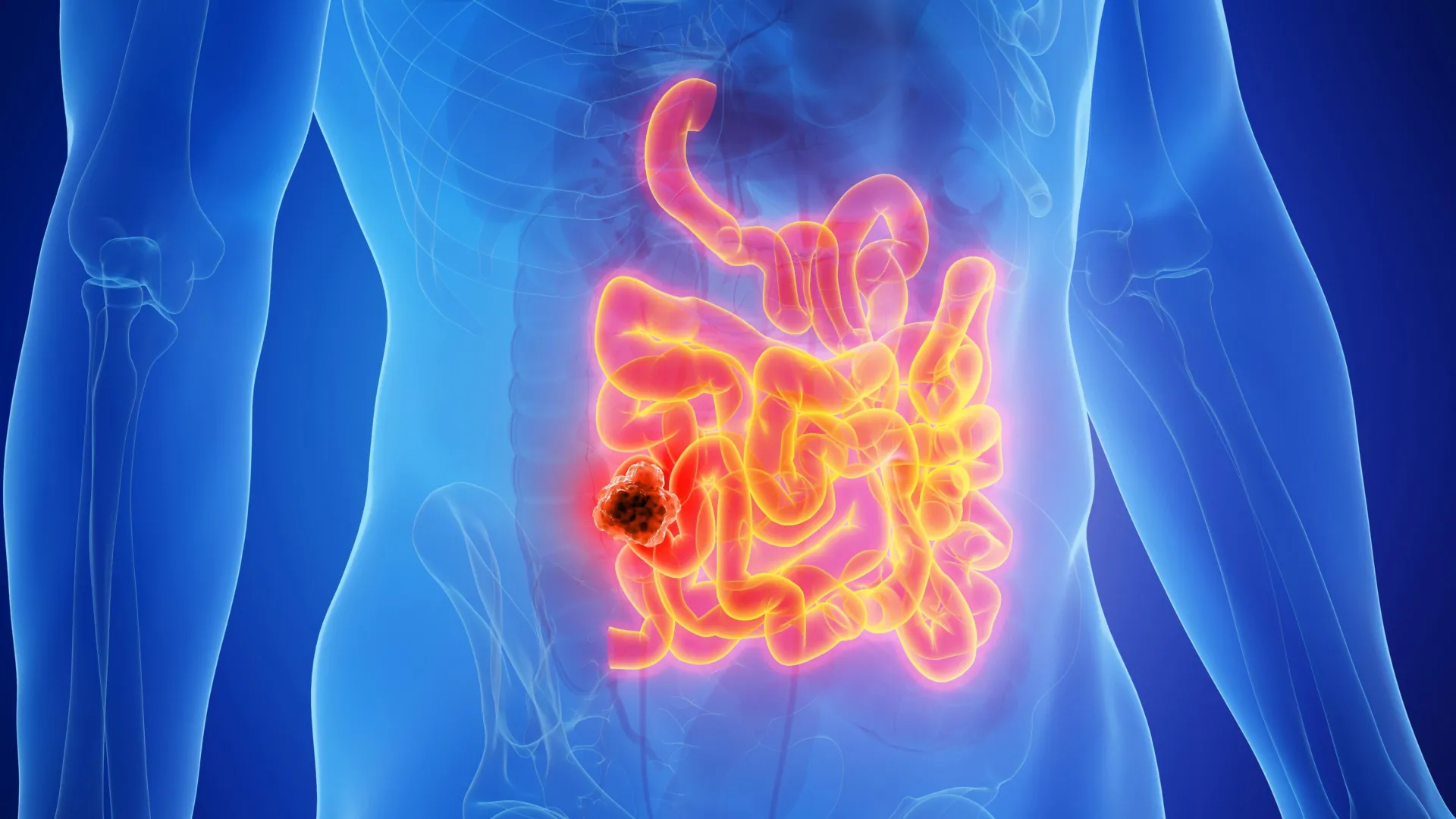
A groundbreaking study from MIT researchers has uncovered an unexpected metabolic mechanism linking ketogenic diets to differential cancer risks across the digestive tract. Rather than producing a uniform effect, the high-fat diet triggered opposing outcomes in neighboring intestinal regions—a finding that challenges simplified narratives about this popular dietary approach.
The Tissue-Specific Response
The investigation centered on how intestinal stem cells respond to ketogenic nutrition. Surprisingly, while tumor development decreased in the colon, it increased significantly in the small intestine. This divergence points to location-specific vulnerabilities rather than a diet-wide risk factor.
Fat Metabolism and Cellular Proliferation
The culprit wasn't ketone bodies themselves, but rather how epithelial stem cells process dietary fat. Enhanced fat-burning activity at the cellular level accelerated the replication cycle of small-intestinal stem cells. Rapid cell division creates more opportunities for spontaneous mutations—the biological foundation of malignant transformation.
What This Means for Your Choices
These findings underscore that metabolic diets warrant individualized consideration. Long-term ketogenic users, particularly those with family cancer histories, may benefit from periodic health monitoring. The research advocates for precision nutrition: understanding how your unique biology responds to macronutrient composition, not just adopting trends wholesale.
Source: ScienceDaily Health